
Haida designs

In this article:
1. Indigenous clans: The protective animal spirits
The Haida people live on the Northwestern coast of the American continent, divided into clans represented by totemic animal spirits that protect members and symbolize their bond with nature.
3. The geometry of crests: Ovoids, U-forms, and S-forms
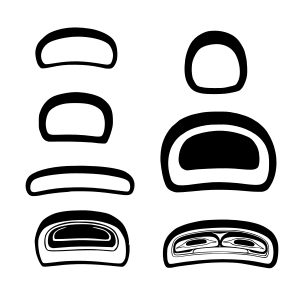
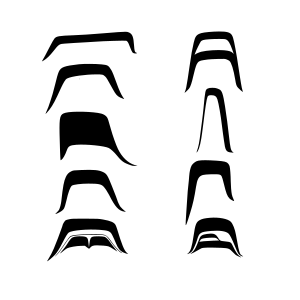
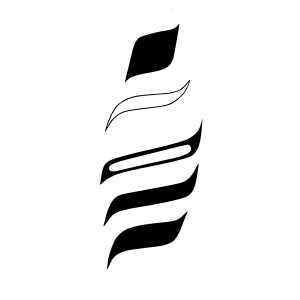
These traditional masterpieces are highly codified visual languages built from a strict geometric framework. Rather than using freehand strokes, Haida artists rely on a continuous, flowing primary outline known as the form line. Within this master framework, specialized basic components—predominantly ovoids, U-forms (and split U-forms), and S-forms—are strategically resized, bent, and stacked in complex variations to construct the stylized features of these totemic protectors.
4. Formline artistic style: Decorating life and skin
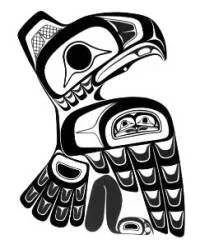
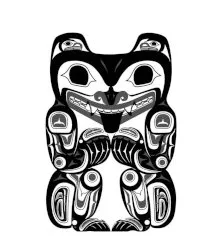
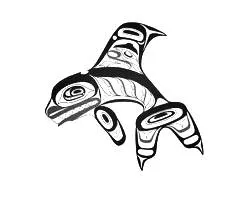
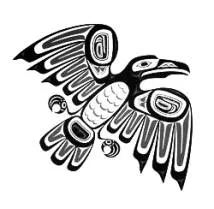
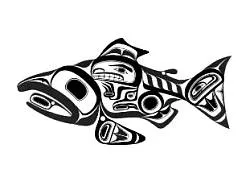
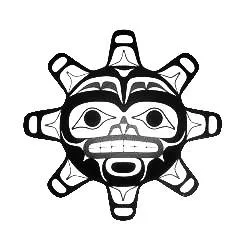
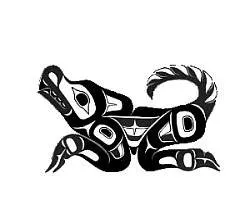
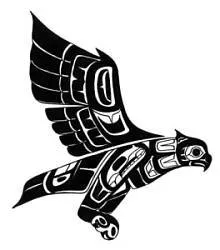
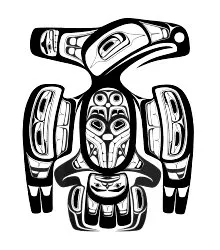
The Haida developed a precise decorative formline style to adorn houses, canoes, and skin with protective totemic animals, which carry teachings through clan stories.
Below is a selection of traditional Haida style designs: [See gallery in source code]
4. Haida tattoos. Meanings & further references
Their simple and accurate beauty and their inner meaning make them great tattoos. A search on Google or Pinterest can help you find more information and designs that will inspire your own haida-styled tattoo, while for those looking for a deeper understanding, we suggest two books that offer greater insight and guidance: "Northwest Coast Indian Art" by Bill Holm serves as the definitive analysis that originally mapped out the formline system. To visually break down these elements further, "Looking at Indian Art of the Northwest Coast" by Hilary Stewart provides an incredibly accessible, illustrative study from which our basic shape diagrams above are directly derived.
Article Discussion
No comments yet... be the first!